

Who are we?
Meet the team
-
Founder
she/her
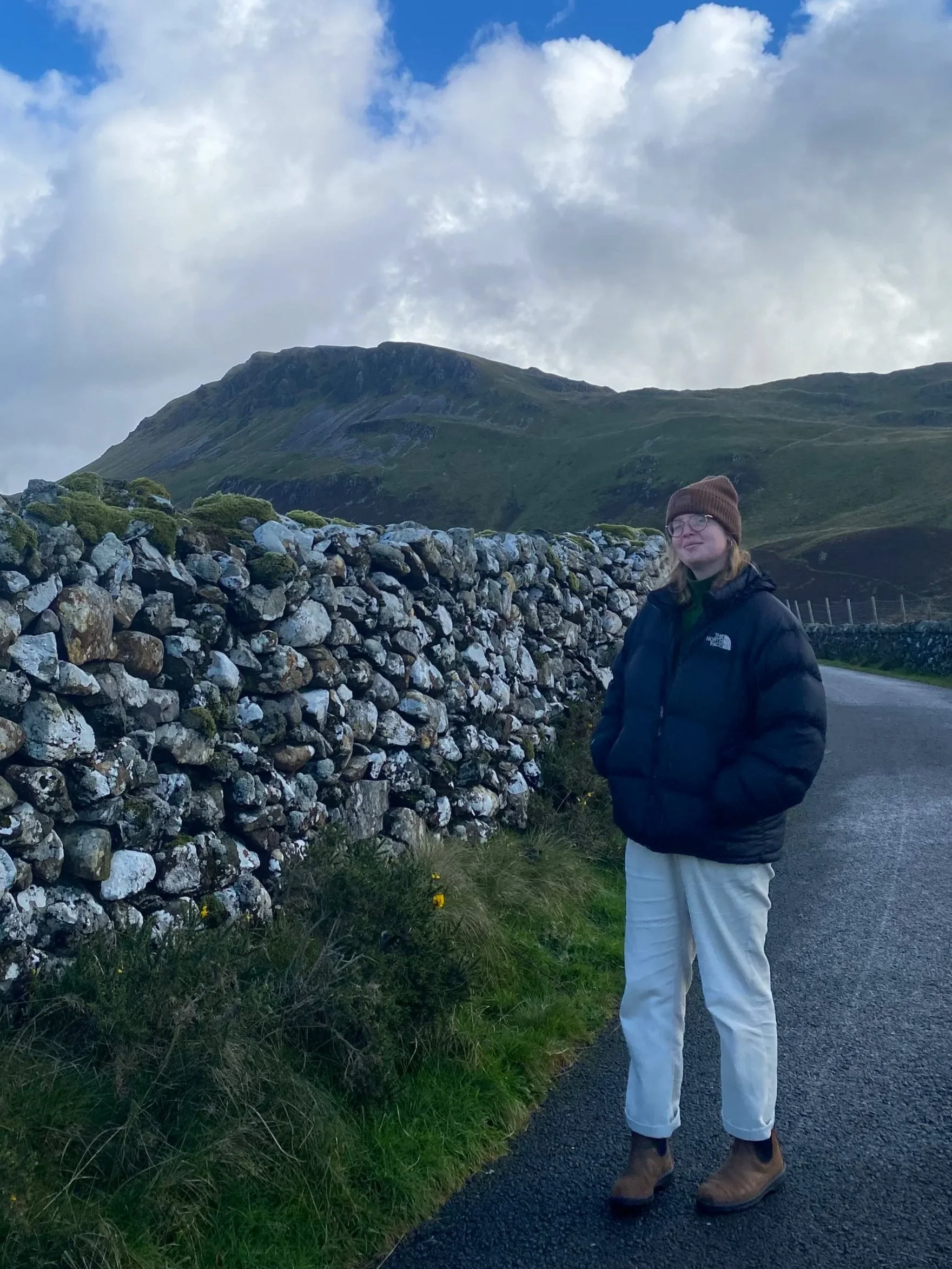
Hello! My name is Hattie Butterworth and I am a cellist and journalist. I studied at the Royal College of Music in London and throughout my undergrad struggled with mental health issues, such as OCD, anxiety and depression. I found the classical music profession lacking in the kind of support I desperately needed - peer support. It lacked a means of connecting with the many others that experience and experienced similar issues to me.
I launched the Things Musicians Don’t Talk About podcast in 2020 and subsequent blog to ensure no one musician feels alone in their suffering, in whatever capacity that might be. I hope you find it resonates with you and don’t hesitate to get in contact if you want to share your own story.
-
Email: hattiebutterworth@hotmail.co.uk
Twitter: https://twitter.com/justabigviolin
Instagram: https://www.instagram.com/hattie.butterworth/
Website: https://hattiebutterworth.co.uk
Linkedin: https://www.linkedin.com/in/hattie-butterworth-01b87b70/
Youtube: https://www.youtube.com/channel/UCY30ywoySpjLnj6wVVxFD0w
-
Co-host
she/her
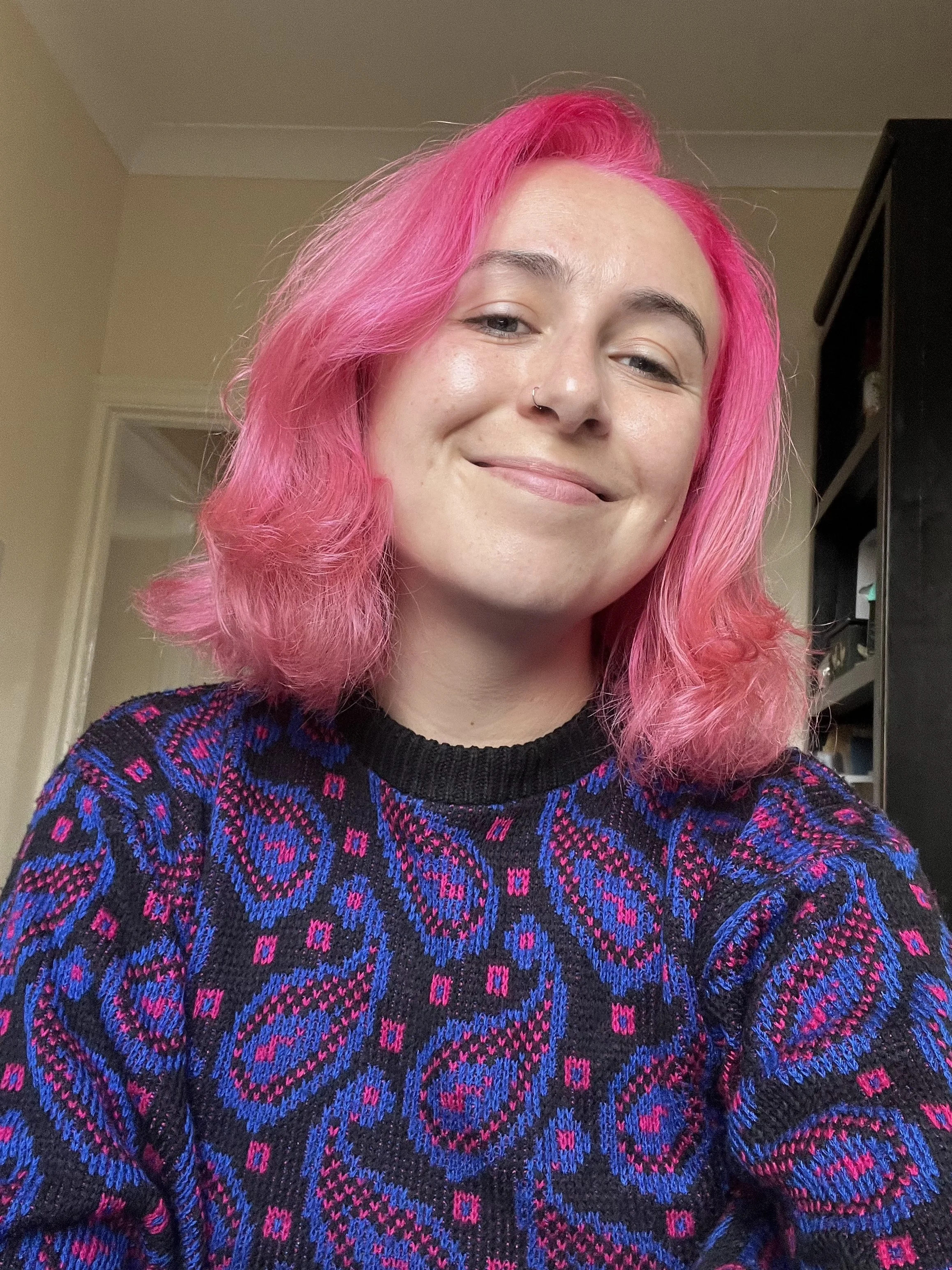
Hi hi hi! I’m Becca and I’m the other co-host of TMDTA.
I’ve struggled with my own mental health issues and eating disorders for over half my life, and joining Hattie on TMDTA has been one of the best things for my own recovery. I am passionate about helping people not feel alone, being frank about how we’re feeling, and ending the stigma surrounding mental health.
It means the world that you’re here, you’re listening, and you’re willing to look behind the flawless façade of the music industry.
-
Email: rebecca_toal@yahoo.com
Website: www.rebeccatoal.co.uk
Instagram: https://www.instagram.com/rebecca_toal/
Likes & Dislikes
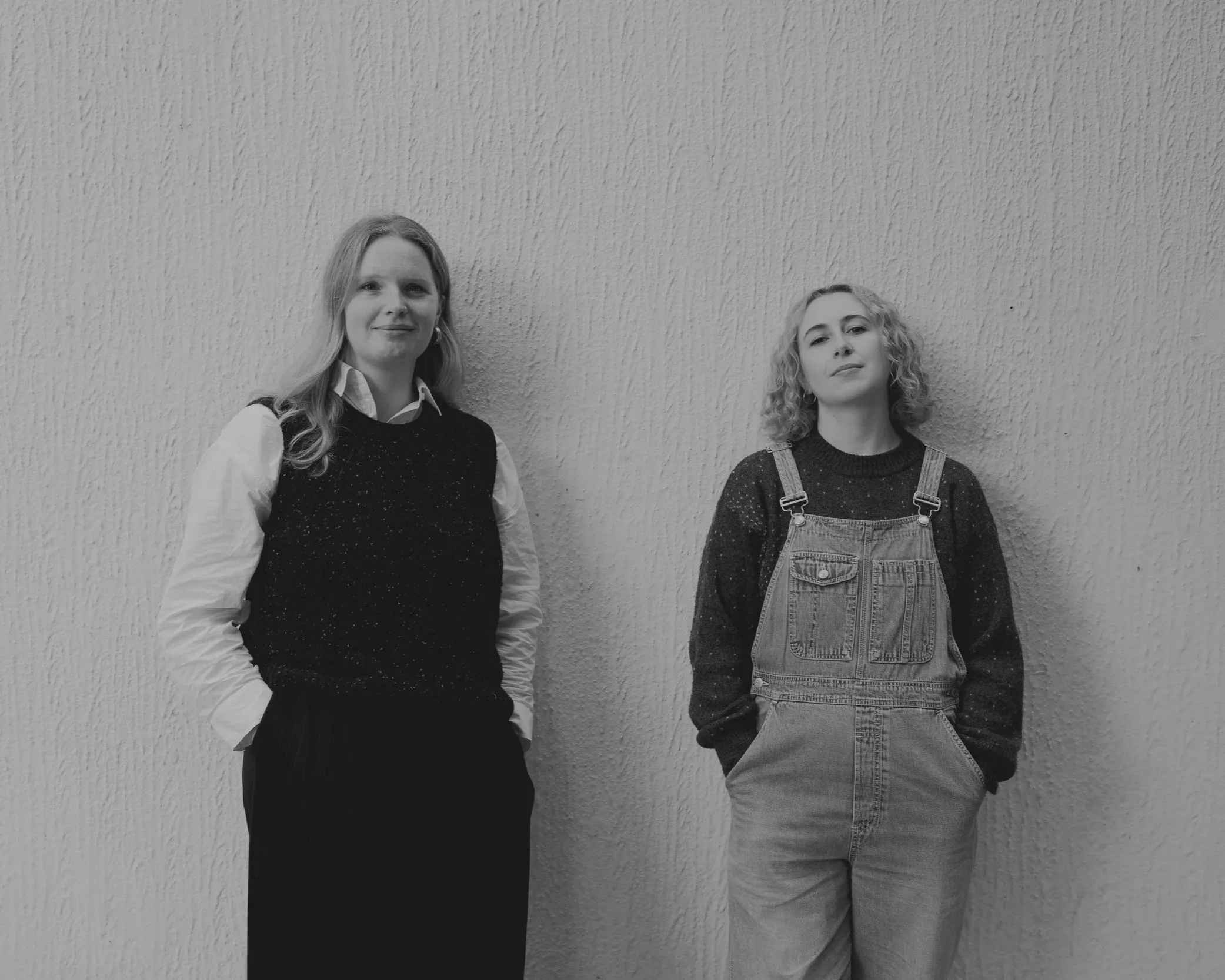
Hattie: I am not serious about all that much, but am definitely serious about ending the stigma of mental illness and lower income disadvantage within classical music. I love going on lonely walks, finding a new coffee shop, Labradors and violin sonatas. I have become more fussy about food with age, so to the long list of hated food goes tuna and mayonnaise. Further dislikes include gardening and the Central, Northern and Piccadilly lines.
Rebecca:
Yes: slightly wonky ceramic mugs, jasmine, tomato leaf, ramen, outdoor swimming & sauna, high-waisted jeans, train journeys, big Swiss lakes, the intention to send a postcard.
No: mint, AI, diet culture, people not saying what really they mean, puddles (unless iced over), classical music seeing itself as an exception to the social contract.
Aside from TMDTA, what do we do?

Hattie:
I am currently working as the Editor of Opera Now Magazine and Choir & Organ Magazine and still play the cello, though mostly for fun. I have a special interest in contemporary and 20th Century music and regularly write for the ‘Contemporary Composers’ feature in Gramophone Magazine. Alongside this, I have written for publications and organisations such as Decca Classics, Evening Standard and the English National Opera. I’m also fascinated in psychology and philosophy, always thinking about the ways in which my brain has been wired as a musician. I have come to realise that our focus as musicians needs to shift from hours of practice, constant pressure and comparison, as these can lead to severe burn out and are a strangely numerical way to create art.
Rebecca:
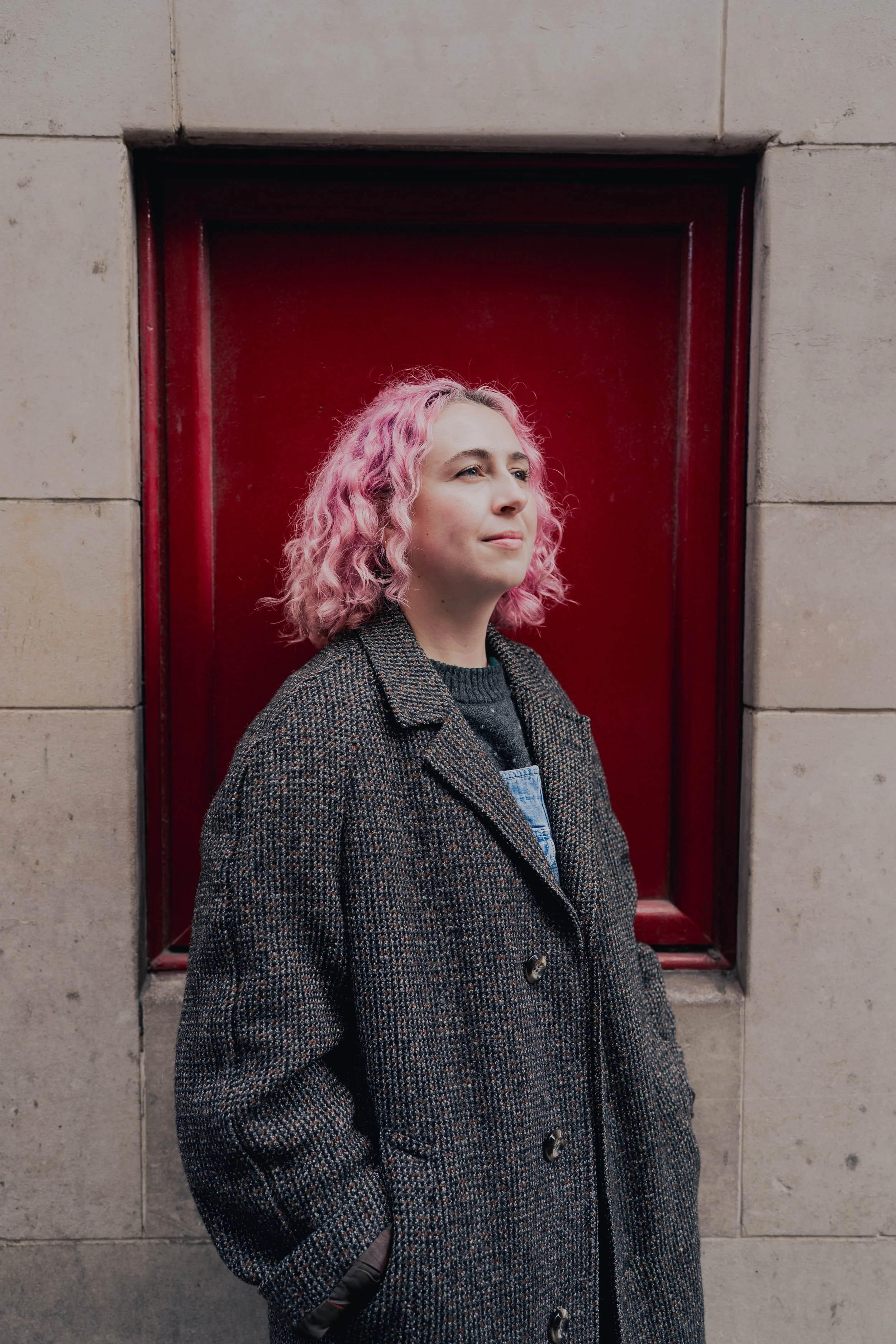
It’s difficult to know where to start with the “who are you?” question. I’m a trumpet player working across the classical, baroque, contemporary, commercial and musical theatre worlds; I’m a person-centred therapist working at Mind in West Central London, and soon to set up my own private practice; and I also occasionally write for publications and appear as a panellist/guest speaker, usually advocating for more open discussion in the music industry and/or sharing my own experiences.
I’ve faced a fair share of scepticism when describing the various things I do. I get frustrated that we have be quiet about the ‘other’ jobs we do alongside music, particularly when the critique goes something like: “don’t you think it would be better for your career to focus on one thing?” So far, having a broad skill base and the option to step away from the trumpet and work with my clients or on other projects has mostly brought me a sense of personal fulfilment, increased creative expression and a sense of longevity that I can’t imagine feeling in a more one-track life.